|
Fine particles, nitrogen dioxide (NO2), sulphur dioxide (SO2), ozone (O3), and benzene, toluene and xylene (BTX) are measured at five different locations throughout the port. The totals for these contaminants are continuing to decrease. At all measuring locations, the port more than meets the European standards. The requirements put in place by the European Union have also served to contribute to this. For example, there has been success reducing the concentration of SO2 due to the fact that from 2010, fuels may not contain the same levels of sulphur as before. Investments Port of Amsterdam is also making an active contribution to improving the air quality. It is doing this by giving “clean” ships a discount on port dues, installing shore power so that inland navigation vessels and river cruise ships can turn off their engines when they are moored, and putting in place vapour recovery systems in partnership with the oil terminals. These systems prevent vapour from escaping and reduce odour nuisance. Finally, Port of Amsterdam has started replacing its patrol fleet with cleaner ships. These ships have relatively environmentally-friendly diesel engines, and storage space for waste liquids. 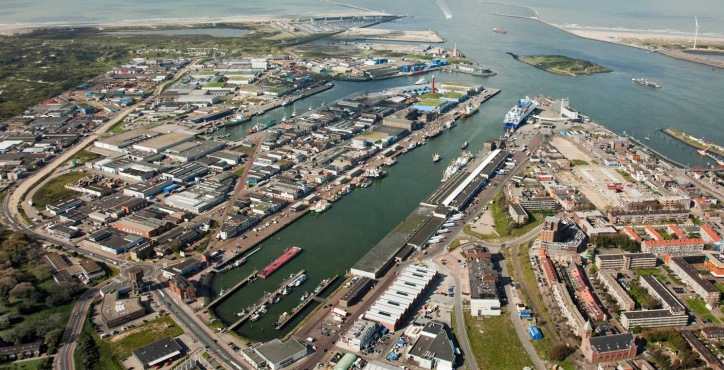
Port of Amsterdam, press release |
