|
The plans come on the heels of a BC Ferries announcement in July 2014 to build three intermediate-class dual fuel vessels for delivery in the years 2016 to 2017. BC Ferries expects total savings from LNG for the five vessels to be approximately $ 12.0 million per year (in today’s dollars), based on current fuel price estimates, which will significantly reduce upward pressure on fares. 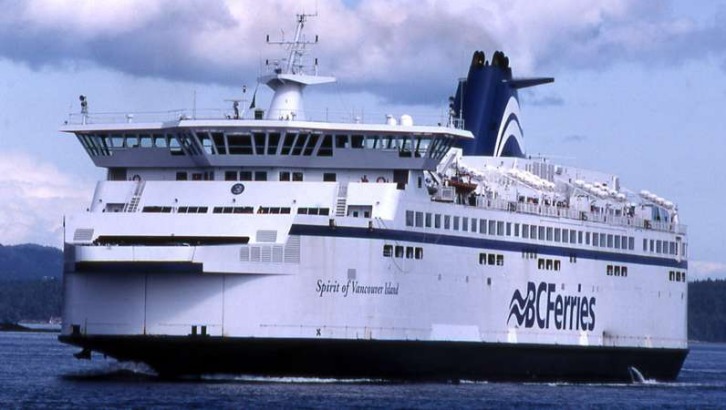
Spirit of Vancouver Island 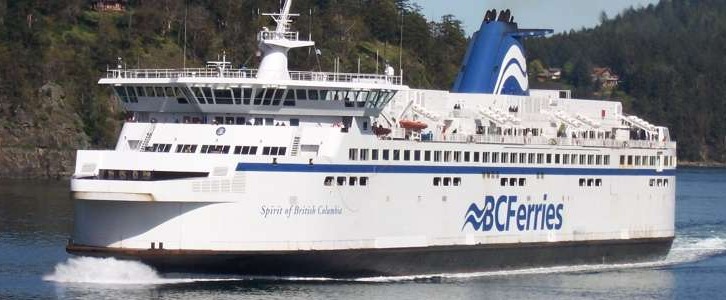
Spirit of British Columbia
BC Ferries spent $126 million on fuel last fiscal year and the two Spirit-Class vessels consumed approximately 15 per cent of the fleet total. These vessels are the largest consumers of fuel in the BC Ferries fleet and the conversion will reduce their cost of fuel by approximately half. The Spirit-Class vessels operate on the Tsawwassen–Swartz Bay route, which carried 28 per cent of total passengers, 23 per cent of total vehicles and generated 38 per cent of total passenger-based revenue in fiscal 2014. The Spirit-Class mid-life upgrade projects will carry out regulatory requirements; renew end-of-life systems; substantially reduce fuel costs by the conversion of the propulsion to dual fuel; implement hull, electrical and passenger service modifications; and increase ancillary services net income. In addition to reducing fuel costs with LNG, the projects will implement measures to reduce fuel consumption. A new low friction underwater coating will reduce hull drag, reducing total fuel British Columbia Ferry Services Inc., consumption by approximately 2.9 per cent. Also, the existing hull design, based on hydrodynamic principles from the 1980’s, will be modified at the bow and stern to further reduce drag. As a result, drag is expected to be further reduced which will further lower fuel consumption by up to 1.8 per cent. These fuel efficiency initiatives are expected to generate $650,000 of the fuel savings annually. BC Ferries is planning for the Spirit of Vancouver Island’s mid-life upgrade and LNG conversion from the fall of 2016 through the spring of 2017. The Spirit of British Columbia’s project is planned to occur from the fall of 2017 through the spring of 2018. Requests for contractor bids would be forthcoming. Under Section 55 of the Coastal Ferry Act, BC Ferries must not incur a major capital expenditure without first obtaining approval for the expenditure from the BC Ferries Commissioner. The Commissioner will make a ruling within 60 days. Under contract to the Province of British Columbia, BC Ferries is the service provider responsible for the delivery of safe, efficient and dependable ferry service along coastal British Columbia. British Columbia Ferry Services Inc. press release 
|
 BC Ferries plans to convert spirit-class vessels to liquefied natural gas (LNG) to realize major savings on fuel bill