 DNV GL to class new methanol-fuelled tankers
Oslo - 21.01.2014 Per Wiggo Richardsen
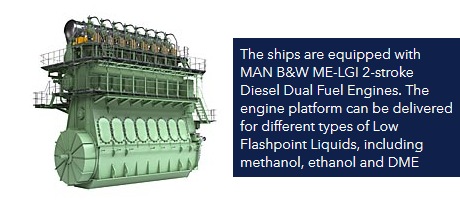
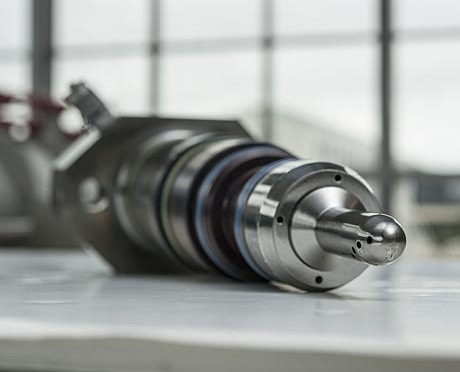
A booster fuel injection valve is designed for methanol injection. Image by DNV GL |
These product carriers which also are prepared for methanol will be built at Hyundai Mipo Dockyards and are scheduled for delivery in 2016.
Methanol is a low flashpoint liquid (LFL) fuel that is gaining interest in the market because it does not contain sulphur and is therefore suitable for meeting the upcoming 0.1 per cent SOx Emission Control Area requirements.
Methanol has a flashpoint of about 12 degrees Celsius and the new vessels will be assigned the additional notation LFL FUELLED to demonstrate their compliance with the safety requirements set out in the industry-first rules published by DNV GL in June 2013.
|
|
DNV GL was the first classification society to publish LFL rules and sees methanol as part of the future energy mix for shipping. As well as having low SOx and NOx emissions, a methanol fuel system is easy to retrofit on a ship.
DNV GL has been involved in the newbuilding project from the early design stage, working together with the ship owner, engine maker and yard to ensure an equivalent level of safety to that of a conventional fuel oil system. DNV GL has made use of its long experience with LFL cargo handling on chemical tankers and offshore supply vessels designed to transport low flashpoint cargo and its experience with alternative fuels from 15 years of working with gas-fuelled ship installations.
About DNV GL
Driven by its purpose of safeguarding life, property and the environment, DNV GL enables organisations to advance the safety and sustainability of their business. We provide classification and technical assurance services along with software and independent expert advisory services to the maritime, oil & gas and energy industries. We also provide certification services to customers across a wide range of industries. Operating in more than 100 countries, our 16,000 professionals are dedicated to helping our customers make the world safer, smarter and greener.
DNV GL press release