 DNV GL launches interactive Arctic Risk Map to
communicate region's complex risk picture
26.08.2014 Elinor Turander
|
|
“The Arctic is not a monolithic area and the risk picture varies accordingly. Stakeholders therefore need a sound decision basis for understanding the risks associated with Arctic development and transportation. The DNV GL Arctic Risk Map can help facilitate transparent discussions to address the many dilemmas related to activity in the region,” says Børre Paaske, project manager at DNV GL – Oil & Gas.
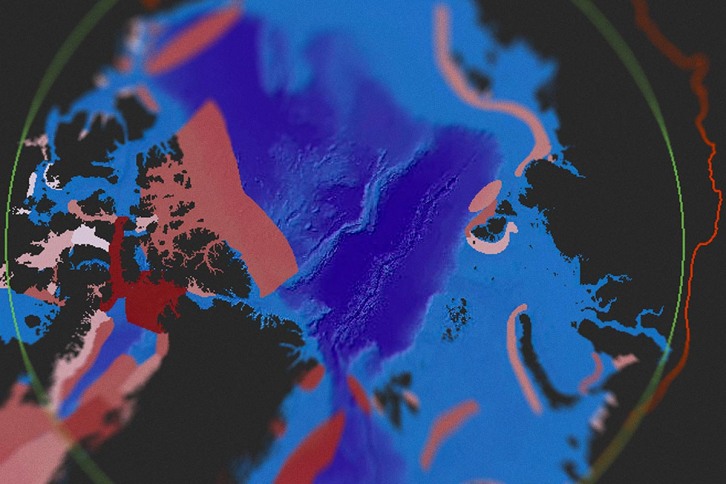
Image by DNV GL
|
|
In addition, a location- and season-specific index has been developed showing the environmental vulnerability of marine resources with respect to oil spill as an external stressor. In general, DNV GL’s analysis shows that the Arctic environment is characterised by seasonal variations in vulnerability, and that this vulnerability increases in the summer months along with the level of industrial activity. However, this differs greatly between regions. Some areas, for example, are particularly vulnerable in winter, when they are used by birds for wintering or as spawning grounds for fish.
As a result, the consequences of an accident in the Arctic would likely be more severe in some areas than others. The map is a useful tool to identify regions that require special attention when it comes to planning activities and for imposing mitigation measures throughout the year. The map can also provide input to decisions-makers about restricting certain types of activities in specific areas at different times of the year.
“The risk level in the Arctic must be equivalent to – or better than – the best performance in the industry today. The Arctic’s varied and complex conditions require the industry to take a stepwise approach in which learning and technology are developed progressively regarding the more challenging Arctic areas,” says Elisabeth Tørstad, CEO of Oil & Gas, DNV GL.
“As an independent body, DNV GL takes an active role in ensuring that any increase in industrial activity has a strong focus on safeguarding life, property and the environment. This Arctic Risk Map is a great example of our vision in action,” she adds.
The Arctic Risk Map is available here.
DNV GL press release