 DNV GL launches advanced hull and propeller performance analytics
March 18, 2015
|
|
Fuel efficiency remains a key concern for shipping, but tracking hull and propeller degradation is a challenge that has not yet found an adequate solution. Experts suggest that, as a result of hull fouling, the world fleet could be sailing with approximately 30 per cent added resistance and consequently significantly higher levels of fuel consumption. Undertaking hull and propeller cleaning on a more regular basis is already recognized as improvement lever by many shipping companies. However, the question of when and how the procedure should be carried out has not yet been addressed systematically.
Hull and propeller performance computations show how much resistance is added over time due to fouling, by analysing the gap between the theoretical and measured power demand of a vessel, after correcting for influences like speed, draft, trim, weather and other operating conditions. “We use data that shipping companies are already collecting,” Dr Torsten Büssow, DNV GL’s Head of Fleet Performance Management, explains. “Our CFD capabilities, which we also use in our lines optimisation, retrofit and trim assistant services, allow us to very accurately normalize vessel specific power demand under each reported condition.” The hull and propeller degradation computation is offered as part of DNV GL’s new fleet performance management service ECO Insight.
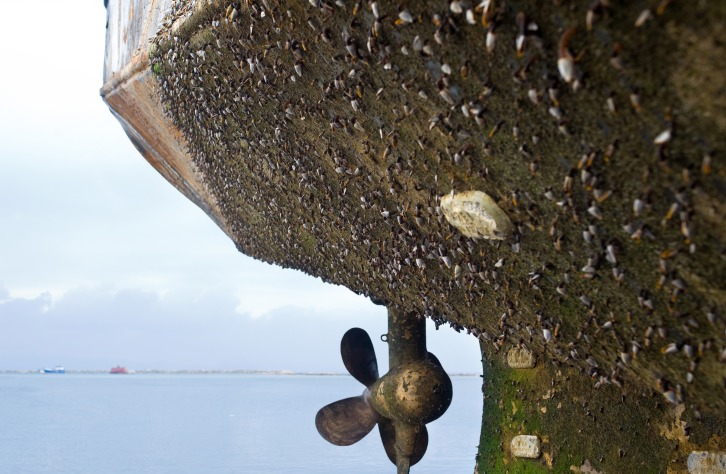
Image by DNV GL
About ECO Insight
|
|
About DNV GL
Driven by its purpose of safeguarding life, property and the environment, DNV GL enables organizations to advance the safety and sustainability of their business. Operating in more than 100 countries, the company’s 16,000 professionals are dedicated to helping their customers in the maritime, oil & gas, energy and other industries to make the world safer, smarter and greener. For more information visit: www.dnvgl.com
DNV GL press release