|
Shell has a memorandum of understanding with Edison Chouest Offshore companies (ECO) to supply LNG fuel to marine vessels that operate in the Gulf of Mexico and to provide what is anticipated to be the first LNG barging and bunkering operation in North America at Port Fourchon, Louisiana. The LNG transport barges will move the fuel from the Geismar production site to Port Fourchon where it will be bunkered into customer vessels. In the Great Lakes Corridor, Shell plans to install a small-scale liquefaction unit (0.25 million tons per annum) at its Shell Sarnia Manufacturing Centre in Sarnia, Ontario, Canada. Once operational, this project will supply LNG fuel to all five Great Lakes, their bordering U.S. states and Canadian provinces and the St. Lawrence Seaway. The Interlake Steamship Company is expected to be the first marine customer in this region, as it begins the conversion of its vessels. Pending final regulatory permitting, these two new liquefaction units are expected to begin operations and production in about three years. Shell is also working to use LNG as a fuel in its own operations or to support its operations. Offshore Support Services: Shell has chartered three dual-fuel offshore support vessels (STX SV310DF) from Harvey Gulf International Marine utilizing Wärtsilä engine and LNG system technology. These vessels will be used to support Shell’s operations in the U.S. Gulf of Mexico. Onshore Production: Shell has also begun to transition many of its onshore drilling rigs and hydraulic fracturing spreads to LNG. These conversions can reduce fuel costs and local emissions. Given Shell’s leading expertise across the LNG value chain and its competitive position in the commercial fuel market, this extension into the North American market is a good fit for Shell and its customers. Natural gas could play an important role in helping to meet the world’s rising transport needs. It can be converted into different forms to power ships, trucks, buses and planes. Liquefied natural gas Cooling natural gas to around -162°C (-260°F) turns it into a liquid and shrinks its volume for easier shipment and storage. At Shell, we are exploring ways to broaden the use of LNG, from the traditional power generation sector to fuelling more of the world’s growing commercial transport fleets and vessels. LNG also has the potential to be used in sectors such as rail and mining and we are looking at options to increase its use in our own operations. LNG in the water LNG is already being used as a fuel for vessels on inland waterways, such as ferries in Norway, and has the potential to be used more widely: by cruisers, ferries, barges and tug boats. In Europe and North America new environmental regulations require shipping operators to reduce local emissions. LNG fuel, which is virtually free of sulphur and particulates, will help them meet these requirements. We bought Gasnor, a leading LNG fuel company in Norway that supplies industrial and marine operators, as we work to deliver LNG to more customers. We also plan to charter the first inland barges to run purely on LNG, which will sail on the Rhine in 2013. LNG on the road Often trucks delivering goods across the globe run on diesel. LNG has the potential to offer significant fuel cost savings compared to conventional diesel. It can also reduce greenhouse gas emissions, from production to use, compared to conventional diesel and bio-diesel in new engines. Burning LNG in spark-ignited engines is quieter than burning diesel in combustion engines. LNG-fuelled trucks can operate for longer where noise restrictions apply, for example delivering to supermarkets in residential areas. Shell has focused its attention to date on the large-truck sector in both Canada and the USA. We are working to supply LNG along a truck route in Alberta, Canada, starting with three sites. We also intend to work with TravelCenters of America to provide LNG for truck fleets at truck stops across the USA. Additional information on Shell and Natural Gas for Transport and the Gulf Coast and Great Lakes Corridors are available at http://www.shell.com/gasfortransport.html Shell International BV press release |
 Shell to develop two additional natural gas for transport corridors in North America
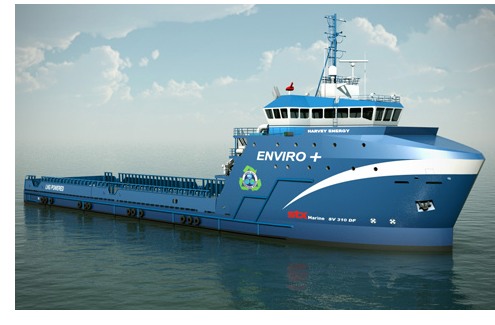 Shell and its affiliates plan to bring liquefied natural gas (LNG) fuel one step closer for its marine and heavy-duty on-road customers in North America by taking a final investment decision on two small-scale liquefaction units. These two units will form the basis of two new LNG transport corridors in the Great Lakes and Gulf Coast regions. This decision follows an investment decision in 2011 on a similar corridor in Alberta, Canada. Shell is also working to use natural gas as a fuel in its own operations.